
Machine Learning vs. Deep Learning: A Simple Analogy for the Medical Mind
Not Rocket Science, Just AI!: Post 012

Have you ever heard these terms- Machine learning, deep learning, blah blah blah.. and felt like it was some alien language?
Have you ever hoped that one day you might actually get what machine are “learning”?
Then, my friend, this blog is for you!
We will not throw some heavy jargon but we’ll keep it chill and chat about these techy terms in a way that makes sense for anyone who's ever been stuck in a busy hospital or clinic..
Machine Learning: Imagine Teaching a Resident
Think of machine learning like mentoring your favorite resident. You hand them a bunch of patient files—labs, symptoms, vitals—and show them what the diagnosis was at the end.
After enough cases, this resident starts to notice patterns.
Like, “Hey, if this patient has a high blood sugar and a BMI over 30, they probably have diabetes.” Pretty soon, the resident can guess diagnoses all on their own.
That’s machine learning in a nutshell: the computer learns from examples and gets better at predicting what might happen next.
There are a few flavors here:
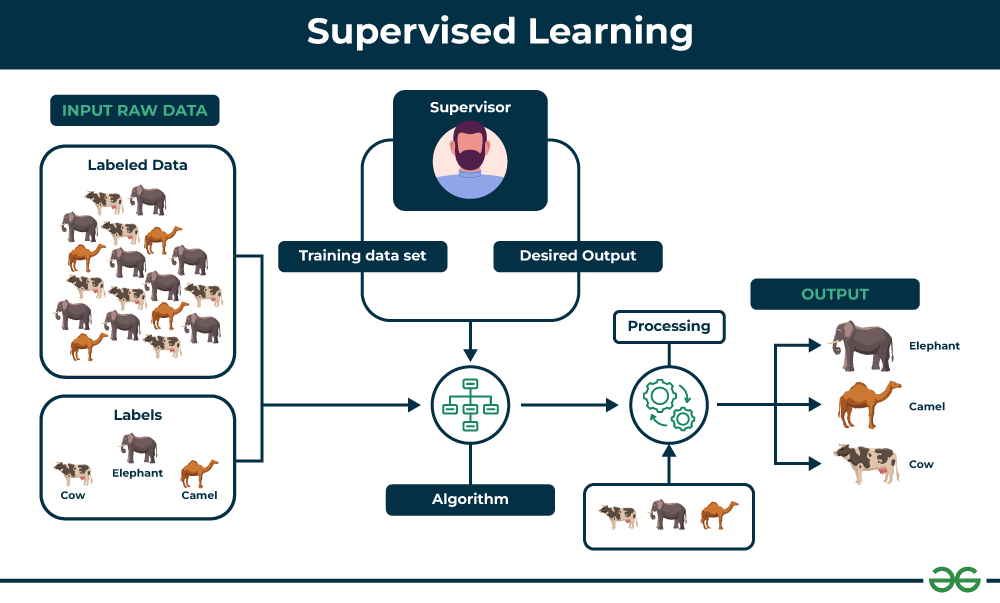
Supervised learning:
You give the computer (or resident) both the symptoms and the diagnosis. It learns to connect the dots.
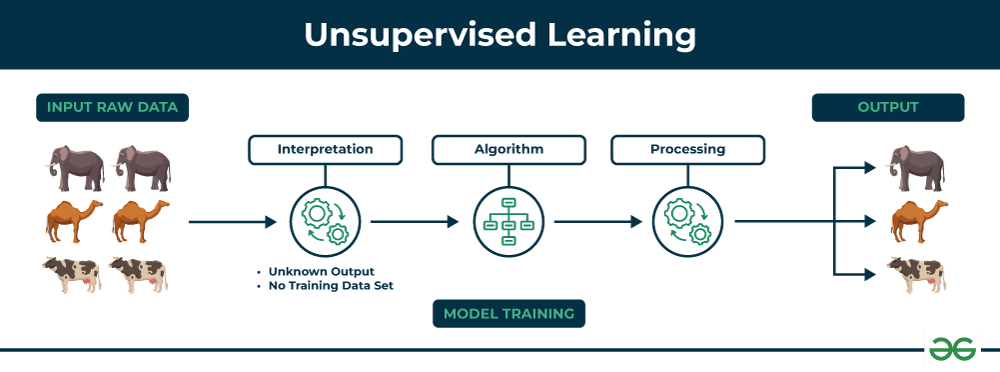
Unsupervised learning:
You just dump a bunch of patient data, without any labels, and the machine groups them into clusters—for example, patients with similar rash patterns or similar lab results.
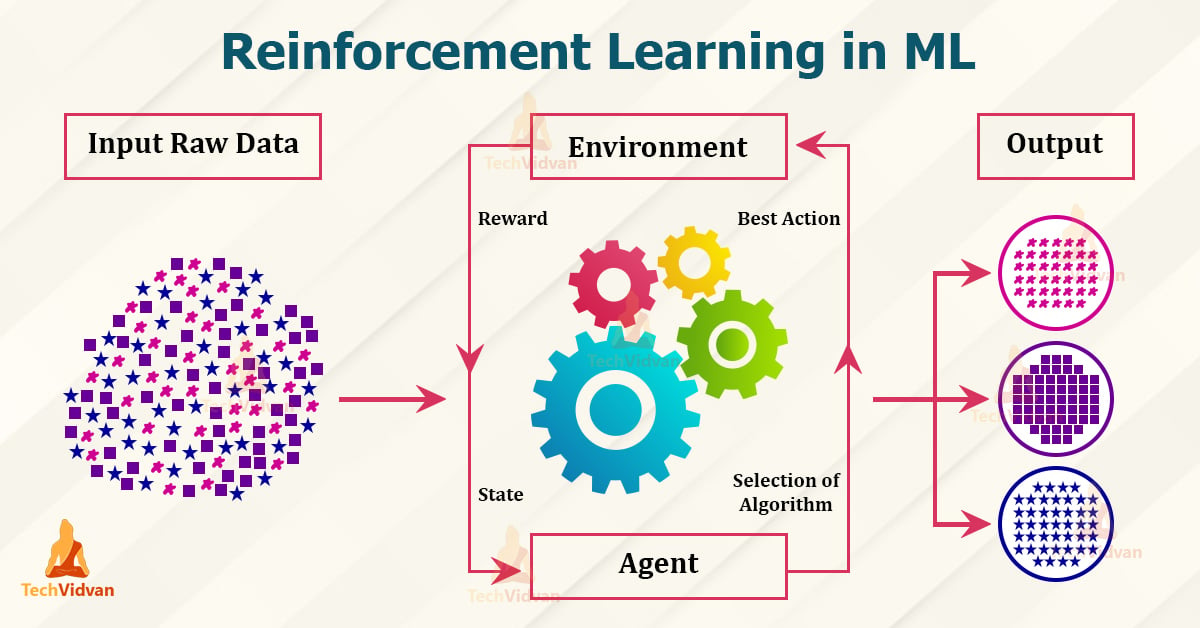
Reinforcement learning:
Like training a resident on procedures, where they learn from trial, error, and feedback—improving each time.
Deep Learning: The Consultant with Superpowers
Now, deep learning is basically that wise consultant who’s seen thousands of cases and can spot things even the rest of us might miss. Hand them a chest X-ray, and bam—they instantly see that subtle pneumonia you almost didn’t notice.
That’s deep learning: it uses these complex systems called “neural networks” which mimic the brain, analyzing raw data like images, scribbled notes, or heart monitor signals, layer by layer.
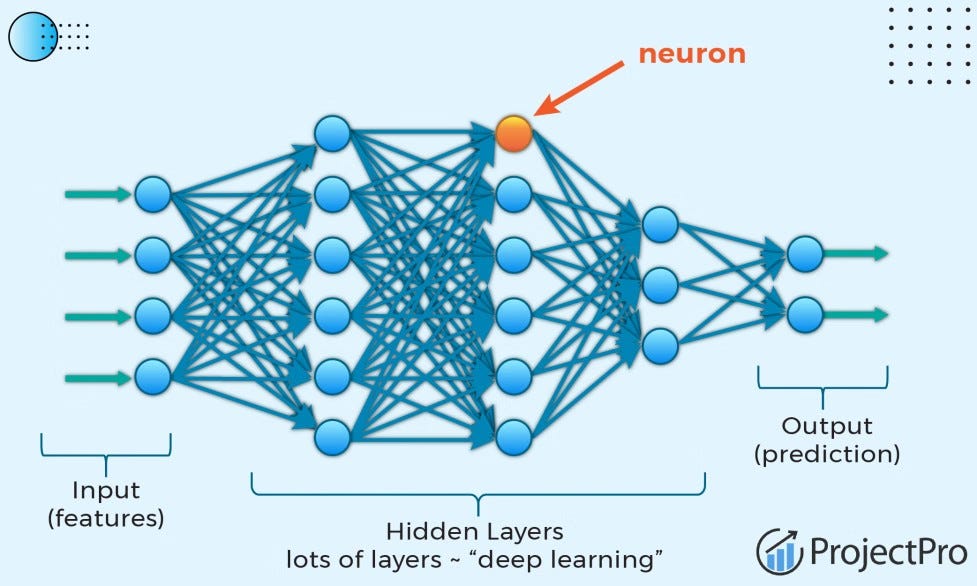
These networks teach themselves what to look for without someone pointing out each feature—for example, it doesn’t need someone to highlight the edges of a tumor; the model figures that out itself after seeing tons of examples.
Some amazing deep learning medical feats include catching diabetic eye disease early from retina scans, spotting tiny lung nodules in CTs, detecting wrist fractures, or even parsing through mountains of electronic health records to flag which patients urgently need follow-up. It’s also powering personalized cancer treatments by analyzing genetics and patient history, becoming an indispensable resident consultant!
Let’s Put It Side-by-Side
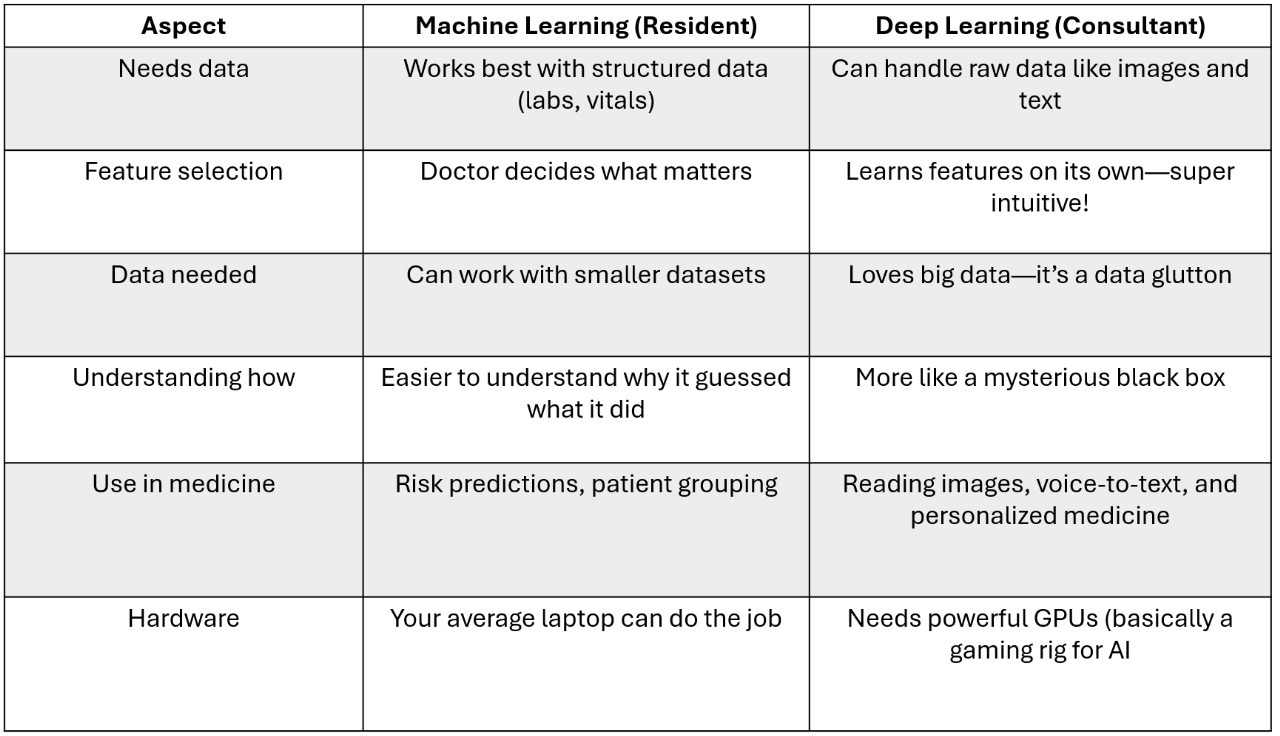
Some Cool Real-Life Stuff Machine and Deep Learning Do
Machine learning helped hospitals predict which patients might have a cardiac arrest before it happened, giving doctors a lifesaving heads-up.
Deep learning’s like having a supercharged radiologist—it reads chest X-rays, catching cancers earlier and more accurately.
Algorithms read free-text notes in EMRs to flag early signs of deterioration or missed follow-up.
Behind the scenes, machine learning streamlines scheduling and billing so doctors can focus more on patients.
What’s Next?
Alright, now that you’ve got the basics down, next time we’re diving into the juicy details—think of the inner workings of machine learning and deep learning like peeling back layers of a medical mystery.
We’ll break down the parts, the tricks, and the secret sauce—all served with some laughs and real medical stories. Stay tuned, the best is yet to come!
Interesting reads:
Benefits of Machine Learning in Healthcare, ForeSee Medical Blog, 2025.
AI and Deep Learning in Healthcare: Use Cases & Insights, Keragon Blog, 2025.
Love the resident vs consultant analogy, makes it super clear. The part about neural nets figuring out features themselves is where things get wild compared to traditional ML that needs hand-engineered inputs. Would be cool to see how these models actually fail in practice when they run into edge cases docs would catch easily.